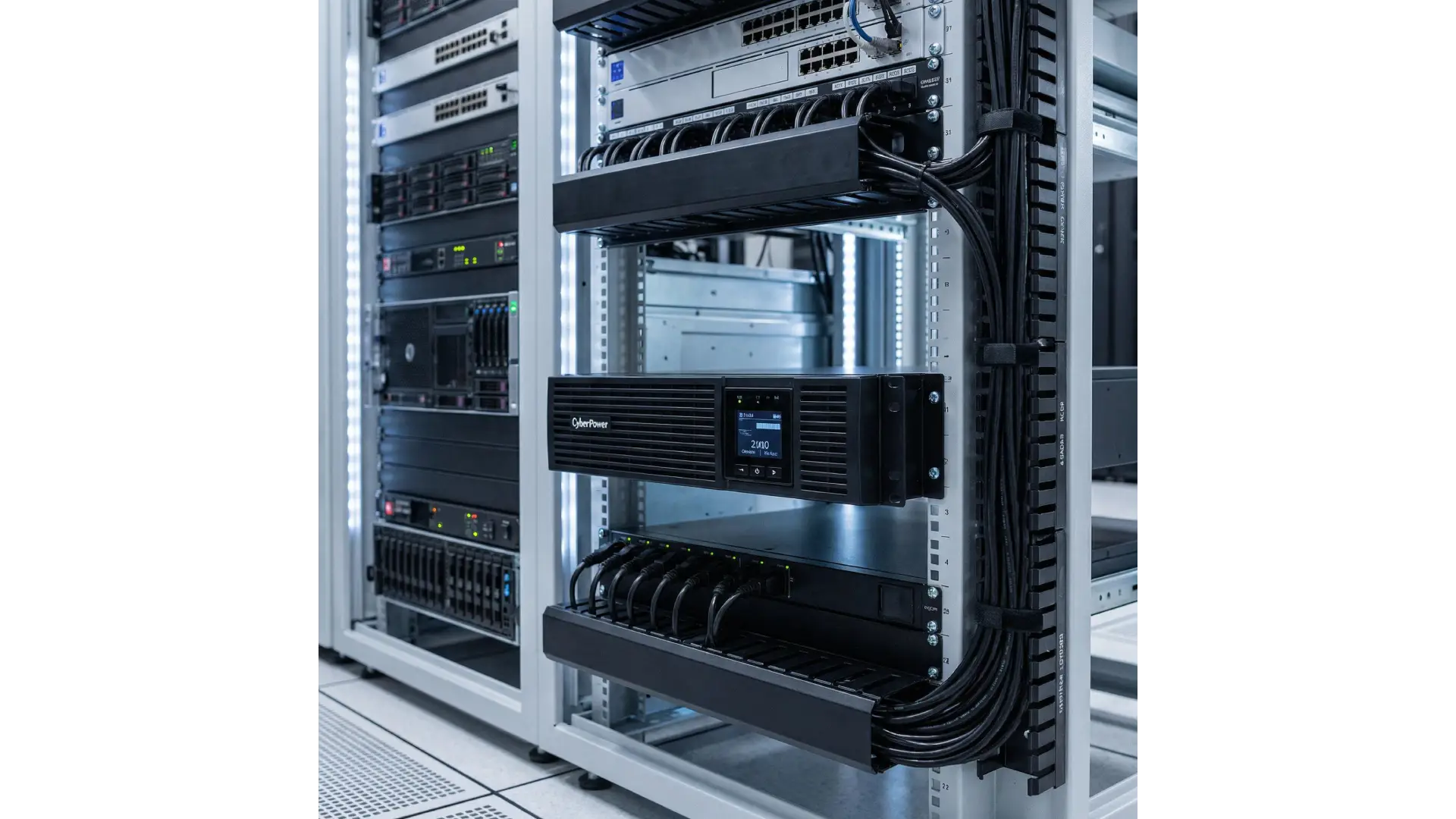
When I decided to write about AC/DC Uninterruptible Power Supply, I wanted to start by understanding why these systems matter and how they fit into the way modern equipment actually uses electricity. The more I looked into backup power, the more obvious it became that not every device operates the same way. Some equipment relies on alternating current, while other systems depend on direct current, and in many business, industrial, telecommunications, and technical environments, both types of power can be used within the same setup.
That is what makes an AC/DC Uninterruptible Power Supply such an interesting topic to explore. These systems do more than simply keep equipment running during a blackout; they can also help protect sensitive electronics from voltage fluctuations, surges, electrical noise, and other unstable power conditions.
I also found that AC/DC UPS systems can work in different ways, with some converting incoming AC power into regulated DC for connected equipment, while others use AC-to-DC-to-AC conversion internally to provide stable power to traditional AC loads. Understanding these differences is important when choosing the right backup power solution for servers, networking equipment, industrial controls, communication systems, security devices, and other critical technology.
What Is an AC/DC Uninterruptible Power Supply?
An AC/DC Uninterruptible Power Supply is a backup power system designed to keep important equipment running when normal electricity is interrupted. It works with both alternating current (AC) and direct current (DC), using power conversion technology to deliver the type of electricity that connected equipment needs.
Depending on how the UPS is designed, it can perform several different functions:
- Convert AC power into DC power: Electricity from the utility supply can be converted into DC power for equipment that operates directly on DC.
- Charge the UPS batteries: Incoming AC electricity is converted into DC so the batteries can remain charged and ready for a power outage.
- Convert battery power back into AC: Since batteries store electricity as DC, an inverter can convert that stored power back into AC when AC-powered equipment needs backup electricity.
- Supply both AC and DC equipment: Some specialized systems can support environments where both types of power are required.
- Provide continuous DC power: Certain systems are designed specifically to keep telecommunications equipment, industrial controls, networking devices, and other DC-powered technology operating during an outage.
An AC/DC Uninterruptible Power Supply normally contains several important components. A rectifier converts AC electricity into DC, while the battery stores energy for use during an outage. If AC output is required, an inverter converts the stored DC electricity back into AC. The system may also include a battery charger, monitoring controls, automatic bypass circuits, and other electronics that manage the flow of power.
Not every UPS works the same way. Some systems are designed primarily to provide AC output, while others are specifically made for DC-powered equipment. The International Electrotechnical Commission even provides separate standards for these types of systems. IEC 62040-3 covers many AC-output UPS systems, while IEC 62040-5-3 focuses on UPS systems that receive AC power and provide continuous DC output.
This is why choosing the correct AC/DC Uninterruptible Power Supply starts with understanding the equipment you want to protect. You need to know whether your devices require AC or DC power, how much electricity they use, and how long they need to continue operating during an outage. Matching the UPS to those requirements helps provide reliable backup power without using a system that is too small, unnecessarily large, or incompatible with the equipment.

Understanding AC and DC Power
Before looking deeper into UPS technology, it helps to understand the basic difference between AC and DC electricity.
Alternating Current
Alternating current changes direction periodically and is the form of electricity typically delivered by utility grids.
Most common electrical infrastructure uses AC power because it can be efficiently distributed and transformed between voltage levels.
Typical AC-powered equipment includes:
- Desktop computers
- Servers
- Commercial appliances
- Industrial machinery
- HVAC systems
- Workstations
- Data center equipment
- Building electrical systems
Direct Current
Direct current flows in one direction.
DC electricity is commonly associated with batteries, but many electronic and telecommunications systems also operate internally or directly from DC power.
Common DC applications include:
- Telecommunications equipment
- Network infrastructure
- Industrial control systems
- Emergency systems
- Battery systems
- LED systems
- Electronic controllers
- Certain security systems
- Data communication equipment
The batteries inside most UPS systems store DC energy. This means even an AC-output UPS typically contains an internal DC stage.
For me, this is one of the easiest ways to understand why AC and DC are so closely connected in UPS design. Utility electricity may arrive as AC, but the battery cannot simply store that AC electricity directly. Power conversion must take place.

How an AC/DC Uninterruptible Power Supply Works
The way an AC/DC Uninterruptible Power Supply works can vary depending on its design, but an online double-conversion UPS provides one of the easiest examples of how AC and DC power work together. In this type of system, incoming AC electricity is converted into DC power, which supports the battery and internal power system, and then converted back into AC for connected equipment when needed. This continuous conversion process helps provide stable power and allows the UPS to respond immediately if the main electrical source fails.
Step 1: AC Power Enters the UPS
The process begins when AC electricity enters the UPS from the utility grid, a generator, or another primary power source. Under normal conditions, this electricity powers the system and keeps the batteries charged, but utility power is not always perfectly stable. Voltage drops, surges, electrical noise, frequency changes, harmonic distortion, and complete outages can all affect connected equipment. The UPS monitors the incoming power and helps reduce the impact of these problems before they reach sensitive devices.
Step 2: The Rectifier Converts AC Into DC
Next, the rectifier converts the incoming AC electricity into DC power. This DC electricity is used to supply the internal DC bus and charge the UPS batteries so energy is available when needed. In an online double-conversion system, this conversion takes place continuously rather than only during an outage. This AC-to-DC conversion is a key part of how an AC/DC Uninterruptible Power Supply manages power and prepares the system to provide immediate backup electricity.
Step 3: The Battery Stores DC Energy
Once the electricity has been converted to DC, the battery system stores energy that can be used if normal input power is lost. Many UPS systems use sealed lead-acid batteries, while newer systems may use lithium-ion batteries for longer service life, lower weight, and reduced maintenance. During normal operation, the UPS continuously monitors and maintains the battery charge so that enough stored energy is available to support connected equipment during an outage or other electrical problem.
Step 4: The Inverter Converts DC Into AC
If the connected equipment requires AC power, the inverter converts the DC electricity from the internal power system or batteries back into usable AC electricity. In an online double-conversion UPS, the inverter is already operating and supplying power to the connected equipment during normal conditions. Because of this, the system does not need to wait for an outage before switching to the inverter, which helps provide nearly uninterrupted power and eliminates the noticeable transfer delay that can occur with some other UPS designs.
Step 5: Backup Power Continues During an Outage
If utility power fails or becomes unstable enough to fall outside acceptable limits, the UPS immediately begins relying on stored battery energy to keep the equipment operating. For AC-powered equipment, the stored DC energy passes through the inverter and is converted into regulated AC electricity before reaching the connected devices. For equipment that operates directly on DC power, the system may be able to continue supplying electricity through the DC power path without converting it back into AC. This is one reason an AC/DC Uninterruptible Power Supply can be especially useful in telecommunications, industrial controls, networking systems, and other environments that rely heavily on DC-powered equipment.

Why Use an AC/DC Uninterruptible Power Supply?
Backup power is one of the main reasons to use an AC/DC Uninterruptible Power Supply, but the benefits go beyond simply keeping equipment running during an outage. A properly selected UPS can improve reliability, protect sensitive electronics, support critical systems, and help reduce downtime caused by unstable power conditions.
- Protection From Power Outages: An AC/DC Uninterruptible Power Supply can keep essential equipment operating when normal utility power fails. Even a brief interruption can shut down computers, disconnect networks, stop industrial processes, interrupt server operations, corrupt active files, or disable monitoring systems. A UPS provides temporary power until electricity returns, a generator starts, or equipment can be safely shut down.
- Improved Power Quality: Power problems are not limited to complete blackouts. Voltage drops, surges, electrical noise, and unstable frequencies can also affect sensitive equipment. Depending on the UPS design, the system can help regulate and condition incoming electricity before it reaches connected devices. Online double-conversion systems provide especially strong protection because incoming AC power is converted to DC and then rebuilt as regulated AC power before reaching the load.
- Reduced Transfer Time: Some equipment cannot tolerate even a very short interruption in power. Standby and line-interactive UPS systems may require a brief transfer when switching from utility power to battery operation, while online double-conversion systems keep the inverter operating continuously. This allows critical equipment to continue receiving power with essentially no transfer delay during an outage.
- Support for DC-Powered Equipment: Some telecommunications, industrial, networking, and control equipment operates directly on DC power. In these situations, an AC/DC Uninterruptible Power Supply can provide DC output without requiring unnecessary conversion back to AC. This can create a simpler and more efficient power setup for equipment that is already designed to use direct current.
- Safer Equipment Shutdowns: A UPS can provide enough time for computers, servers, and other electronic systems to shut down properly instead of losing power suddenly. This can help reduce the risk of corrupted files, damaged software, incomplete processes, and other problems caused by unexpected shutdowns.
- Improved Business Continuity: For businesses that depend on servers, communication systems, security equipment, or network connections, even a short outage can disrupt normal operations. A UPS helps keep important systems available long enough to maintain service or transition to a longer-term backup power source.
Key Components of an AC/DC Uninterruptible Power Supply
Understanding the main parts of an AC/DC Uninterruptible Power Supply makes it much easier to compare different systems and understand how each one manages power. While designs can vary, most UPS systems rely on several core components working together to convert electricity, store energy, protect connected equipment, and provide backup power when needed.
- Rectifier
The rectifier converts incoming AC electricity into DC power. This DC electricity can be used to supply the internal power system and charge the batteries. In an online double-conversion UPS, the rectifier operates continuously, making it one of the most important parts of the power conversion process.
- DC Bus
The DC bus acts as the main connection point between the rectifier, battery system, inverter, and other internal components. I tend to think of it as the central power highway inside the UPS because it allows DC electricity to move between the different parts of the system as needed.
- Battery System
The battery stores electrical energy that can be used when normal utility power is lost or becomes unstable. Battery size, chemistry, condition, and connected load all affect how long the UPS can continue operating during an outage. Larger systems may also support external battery cabinets for extended runtime.
- Inverter
The inverter converts DC electricity back into AC power when the connected equipment requires alternating current. In an online AC/DC Uninterruptible Power Supply, the inverter often runs continuously, helping provide stable and regulated AC output to sensitive equipment even while normal utility power is available.
- Battery Charger
The charger helps keep the battery system at the correct charge level during normal operation. It ensures that backup energy is available when an outage occurs and may also manage charging rates to help protect battery health and extend service life.
- Static Bypass
Many larger UPS systems include a static bypass that provides an alternate electrical path around the main power conversion components. If the UPS experiences an overload, internal fault, maintenance condition, or other operating issue, the bypass may allow connected equipment to continue receiving power directly from an alternate source.
- Monitoring and Communication
Modern UPS systems can track important information such as battery status, load percentage, estimated runtime, input and output voltage, frequency, alarm conditions, battery health, and operating mode. More advanced systems may also support SNMP, network management cards, remote monitoring, environmental sensors, email alerts, and automatic shutdown software, making it easier to manage an AC/DC Uninterruptible Power Supply in business or industrial environments.
How to Choose the Right AC/DC Uninterruptible Power Supply

Choosing the right AC/DC Uninterruptible Power Supply starts with understanding your equipment, power requirements, and how long you need backup power to last. The goal is to find a system that matches your needs without overpaying for unnecessary capacity.
- Determine AC or DC Requirements: Check whether your equipment uses AC power, DC power, or both, and confirm the required voltage before selecting a UPS.
- Calculate the Total Load: Add the power requirements of all connected equipment and choose a UPS with some extra capacity instead of operating at its maximum rating.
- Plan for Future Growth: Leave enough additional capacity for new equipment, higher workloads, or future expansion.
- Choose the Required Runtime: Decide whether you need a few minutes for safe shutdown, enough time to handle short outages, or extended backup until a generator or utility power becomes available.
- Verify Voltage and Phase: Confirm input voltage, output voltage, frequency, and whether the system requires single-phase or three-phase power.
- Select the Right UPS Topology: Standby systems are suited for basic protection, line-interactive systems provide better voltage regulation, and online double-conversion systems offer stronger protection for sensitive or critical equipment.
- Consider Battery Expansion: If longer runtime may be needed, choose an AC/DC Uninterruptible Power Supply that supports additional battery modules or external battery cabinets.
- Check Battery Type: Consider whether the system uses lead-acid or lithium-ion batteries and how easily the batteries can be replaced or serviced
Top AC/DC Uninterruptible Power Supply Options
When comparing an AC/DC Uninterruptible Power Supply, I would focus on proven manufacturers, online double-conversion technology, battery expansion, monitoring features, and the ability to support the voltage and load requirements of the equipment being protected. There is no single UPS that is best for every situation, but the following systems are strong options for business, server, networking, industrial, and other critical applications.
APC Smart-UPS SRT Series
The APC Smart-UPS SRT line is a strong choice for servers, storage systems, voice and data networks, medical laboratories, and light industrial equipment. Models such as the SRT2200XLI provide online double-conversion technology, pure sine wave output, zero transfer time, and support for extended battery packs. The series also supports common 220V, 230V, and 240V environments, making it a flexible AC/DC Uninterruptible Power Supply option for professional applications.
Eaton 9PX Series
The Eaton 9PX is another excellent option for IT equipment, edge networks, industrial automation, healthcare environments, and locations where utility power may be unreliable. It uses online double-conversion technology, converting incoming AC electricity into DC before converting it back into clean AC power for connected equipment. Certain models support 200V, 208V, 220V, 230V, and 240V output, along with external battery modules and advanced battery management.
Vertiv Liebert GXT5 Series
The Vertiv Liebert GXT5 is designed for critical IT infrastructure and is available in a wide range of capacities. The 230V models use online double-conversion technology and provide continuous power conditioning, pure sine wave output, zero transfer time, remote management options, and expandable battery runtime. For businesses protecting servers, network equipment, or edge computing systems, the GXT5 is a dependable AC/DC Uninterruptible Power Supply option.
Delta Amplon RT Series
The Delta Amplon RT line is worth considering for businesses that need a flexible system across different power levels. Models are available from smaller 1-3 kVA systems up through larger 5-10 kVA configurations, with support for 220V, 230V, and 240V operation. The RT series uses online double-conversion technology and provides regulated output designed for sensitive electronic equipment. Larger models can also support external battery systems for longer runtime.

Frequently Asked Questions About AC/DC Uninterruptible Power Supply
What is an AC/DC Uninterruptible Power Supply?
An AC/DC Uninterruptible Power Supply is a backup power system that manages both alternating current and direct current as part of its operation. Depending on the design, it may convert AC power into DC for batteries or DC equipment, or convert stored DC battery power back into AC for connected devices.
How does an AC/DC Uninterruptible Power Supply work?
The system typically receives AC electricity from the utility supply and uses a rectifier to convert it into DC. That DC power can charge the batteries and supply the internal system. If AC output is required, an inverter converts the DC electricity back into AC for the connected equipment.
What equipment can use an AC/DC Uninterruptible Power Supply?
An AC/DC Uninterruptible Power Supply can be used with servers, telecommunications equipment, networking hardware, industrial controls, security systems, workstations, monitoring devices, automation equipment, and other critical electronics. The exact equipment depends on the voltage and output specifications of the UPS.
What is the difference between AC UPS and DC UPS?
An AC UPS supplies alternating current to connected equipment, while a DC UPS supplies direct current. Many online AC UPS systems still use DC internally because batteries store energy as direct current. The main difference is the type of power delivered to the connected load.
How long will an AC/DC Uninterruptible Power Supply run during an outage?
Runtime depends on the battery capacity and the amount of power being used by the connected equipment. A heavily loaded UPS may provide only a few minutes of backup, while a lightly loaded system or one with external battery modules can operate much longer. Manufacturer runtime charts are usually the best way to estimate backup time.
Can an AC/DC Uninterruptible Power Supply protect against power surges?
Yes, many UPS systems include protection against voltage spikes, surges, sags, and other electrical problems. Online double-conversion models can provide additional protection by continuously converting and regulating incoming power before it reaches connected equipment.
Is an AC/DC Uninterruptible Power Supply suitable for servers?
Yes. Servers are one of the most common applications for UPS protection because unexpected shutdowns can cause data loss, corrupted files, and interrupted services. Online double-conversion systems are often preferred for critical server environments because they provide continuous power conditioning and very fast response during outages.
Wrapping Things Up
After taking a closer look at how an AC/DC Uninterruptible Power Supply works, I think the biggest takeaway is that choosing the right system really comes down to understanding the equipment you are trying to protect. It is not just about having battery backup for a blackout; it is about making sure the UPS can handle the correct AC or DC requirements, provide enough capacity and runtime, support the right voltage, and protect sensitive equipment from unstable power conditions.
Whether the system is being used for servers, networking equipment, industrial controls, telecommunications, security systems, or other critical technology, a properly selected AC/DC Uninterruptible Power Supply can add an important layer of reliability and protection.
From my perspective, the best approach is to look beyond the brand name or largest capacity and focus on how the UPS actually fits the needs of the equipment, because the right setup can help reduce downtime, protect valuable hardware, and make the entire power system much more dependable.
Source
https://www.energy.gov/cmei/femp/purchasing-energy-efficient-uninterruptible-power-supplies
continue reading